

Circulation Pumps Vital Components for Efficient Fluid Management
Release time:
2023-12-24
Circulation pumps are essential components in a wide range of industrial, commercial, and residential applications where the efficient movement of fluids is crucial. These pumps play a pivotal role in maintaining steady fluid flow, temperature control, and overall system performance.
Circulation pumps are essential components in a wide range of industrial, commercial, and residential applications where the efficient movement of fluids is crucial. These pumps play a pivotal role in maintaining steady fluid flow, temperature control, and overall system performance.
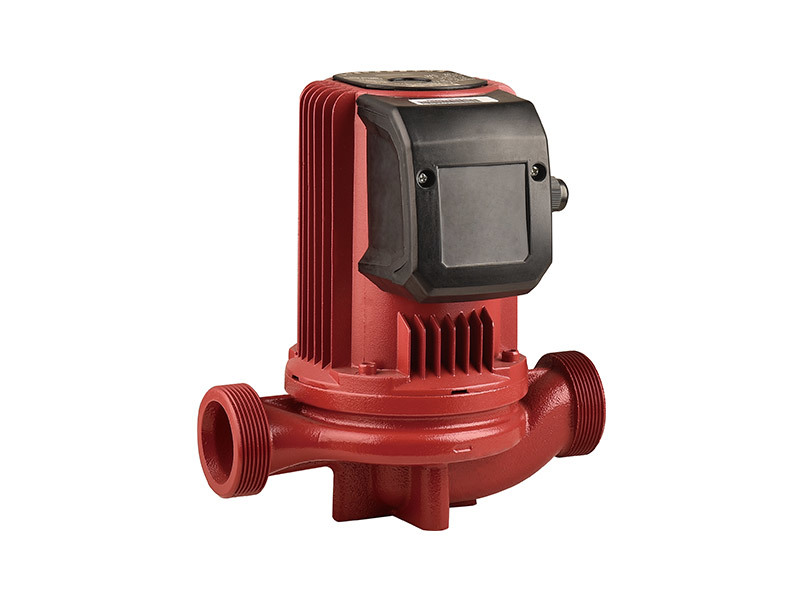
At the core of their functionality, circulation pumps are designed to transfer fluids within a closed circuit or system, ensuring that the fluid remains within the designated pipes or vessels. They operate by creating a pressure differential that propels the fluid through the system, overcoming resistance caused by pipe friction, elevation changes, or system components.
In the industrial sector, circulation pumps are vital for processes that require constant temperature control or uniform mixing of fluids. Examples include chemical processing plants, food and beverage production facilities, and pharmaceutical manufacturing operations. They also play a critical role in wastewater treatment plants, where they help circulate and aerate contaminated water for effective purification.
Circulation pumps can be powered by various means, including electric motors, which offer high efficiency and reliability. The pumps themselves can be classified into different types based on their design and operating principles. Some common types include centrifugal pumps, which utilize centrifugal force to move fluids; positive displacement pumps, which use mechanical action to displace a fixed volume of fluid with each cycle; and magnetic drive pumps, which employ magnetic coupling to transmit power without physical contact between the motor and pump shaft.
When selecting a circulation pump, several factors must be considered to ensure optimal performance and longevity. These factors include the required flow rate, head pressure, fluid characteristics (viscosity, density, and chemical compatibility), operating temperature, and the specific demands of the application. Additionally, energy efficiency, noise levels, and maintenance requirements should be taken into account to minimize operational costs and maximize uptime.
Dalei Pump offers a comprehensive range of circulation pumps that cater to diverse needs and specifications. Their products are characterized by robust construction, high efficiency, and reliable performance, making them suitable for numerous applications across different industries. With a focus on quality and customer satisfaction, Dalei Pump ensures that its circulation pumps meet or exceed industry standards and provide lasting value to their users.
In conclusion, circulation pumps are indispensable tools for maintaining efficient fluid management in a multitude of contexts. Their ability to facilitate consistent fluid flow, temperature control, and system performance makes them a fundamental component in numerous industrial, commercial, and residential applications. By understanding the various types, features, and considerations involved in selecting and utilizing circulation pumps, users can optimize their systems for maximum efficiency and reliability. The extensive product offerings from reputable manufacturers like Dalei Pump provide a valuable resource for those seeking high-quality circulation pumps tailored to their specific needs.
RELATED NEWS